I Thought Pain Made People Kinder
For most of my life, I hated the phrase “hurt people hurt people.”
It always sounded too convenient to me. Too neat. Too much like an excuse people used after causing damage they didn’t want to take responsibility for. I remember thinking that if someone had truly been hurt, truly broken open by life, they would never want another human being to feel that same pain. Surely pain made people gentler. Surely suffering made people more compassionate. Surely surviving cruelty made you determined not to become cruel yourself.
And honestly, for a long time, I thought that was who I was.
I thought I was the kind of person who poured love into people because I knew what it felt like to go without it. I thought I was the person who tried to make people feel seen, safe, appreciated, supported, comforted. I thought the wounds I carried had made me softer toward others, not sharper.
But life has a brutal way of holding mirrors in front of you when you least want to look.
Recently, I said something that hurt someone I love. It wasn’t screaming. It wasn’t abuse. It wasn’t said with the intention to destroy them. At the time, I honestly thought it was just a glib remark. A passing comment. The kind of thing people joke about online every single day without thinking twice.
But it hurt them deeply.
And sitting inside the fallout of that moment forced me into a realization I didn’t want to have.
Maybe hurt people do hurt people sometimes.
Not always intentionally.
Not always maliciously.
But sometimes quietly. Casually. Indirectly.
Like pain leaking through cracks you didn’t even realize were there.
“Sometimes hurt people don’t become cruel.
Sometimes they just become emotionally exhausted
and exhaustion has sharp edges.”
The Difference Between Intent and Impact
One of the hardest parts of adulthood is realizing that good intentions do not erase impact.
You can love someone deeply and still wound them.
You can spend years trying to be supportive, loyal, giving, nurturing, and still have moments where your exhaustion comes out sideways. You can genuinely believe you are joking, venting, coping, or being honest while another person experiences it as rejection, criticism, resentment, or dismissal.
That realization is confronting in a way I wasn’t prepared for.
Because if you grow up being hurt by people, especially repeatedly, you often build your identity around being “not like them.” You tell yourself that no matter what happens, you will never become the person who causes pain. You become hyper-aware of other people’s feelings. Hyper-aware of conflict. Hyper-aware of emotional safety.
But being wounded does not magically make someone emotionally healthy.
Sometimes it just makes them emotionally overloaded.
And overloaded people are not always gentle people.
I think that’s the part nobody talks about honestly enough. The internet loves extremes. Either someone is a monster who deserves exile forever, or their trauma becomes a blanket excuse for every harmful thing they’ve ever done. Real human beings are usually sitting somewhere in the middle, trying to untangle their pain while accidentally bleeding onto people they never wanted to hurt.
That middle space is uncomfortable.
But it’s real.
Pain Does Not Always Look Like Crying
I think many of us imagine pain as sadness.
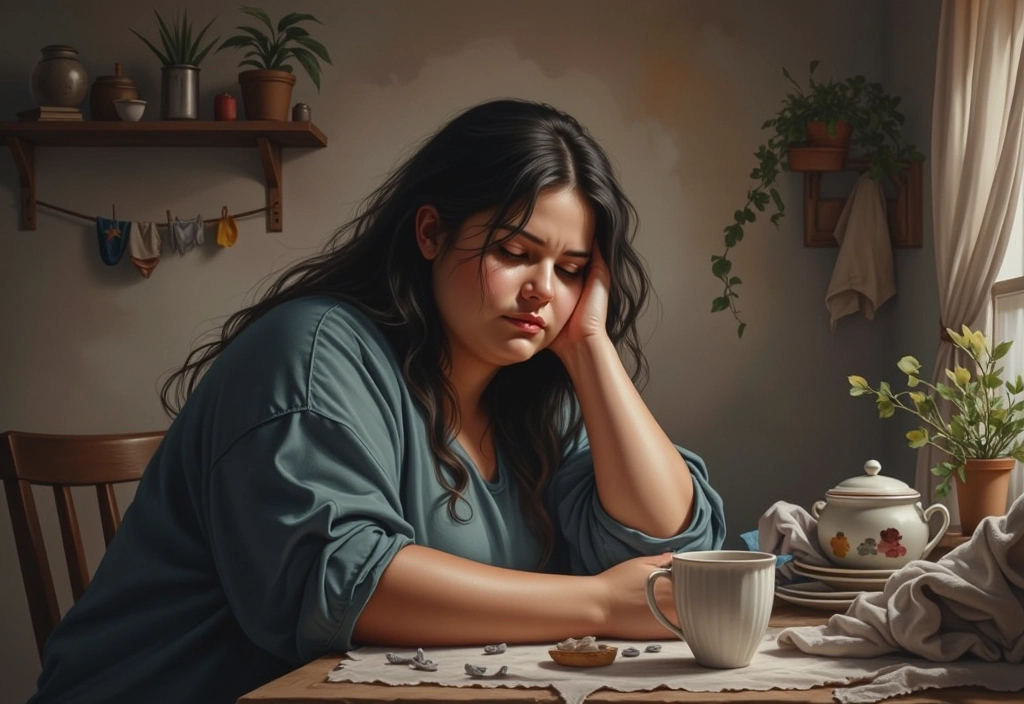
We imagine hurt people sitting quietly in dark rooms crying into cups of tea while soft music plays in the background like an emotionally devastating indie film. But in real life, pain often disguises itself as irritability, defensiveness, sarcasm, numbness, impatience, withdrawal, exhaustion, resentment, or emotional distance.
Sometimes pain sounds like:
“I was only joking.”
Sometimes pain sounds like:
“I’m fine.”
Sometimes pain sounds like absolutely nothing at all until one tiny comment suddenly carries the emotional weight of years.
And that is terrifying to realize about yourself.
I carry a lot of old hurt. Childhood trauma. Abuse. Sexual assault. Bullying. Relationship wounds. Years of feeling like I had to earn love, earn worth, earn space, earn approval. Years of feeling like being useful was safer than being needy. Years of carrying pressure silently because there didn’t seem to be another option.
I honestly believed I had transformed that pain into kindness.
And in many ways, I think I did.
But pain that is never rested eventually starts speaking in other languages.

Emotional Exhaustion Changes People
I think emotional exhaustion is one of the most underestimated forces in human relationships.
Not just being tired. Deep tiredness. Bone-level tiredness. The kind where your nervous system feels permanently swollen. The kind where you are constantly carrying responsibility, constantly anticipating needs, constantly solving problems, constantly thinking five steps ahead while trying not to collapse under the weight of your own mind.
When people are emotionally exhausted for long enough, they stop responding from their best selves.
Not because they are evil.
Not because they don’t care.
But because survival mode slowly reshapes the way a person communicates.
Resentment starts disguising itself as humour.
Loneliness starts disguising itself as irritation.
Feeling unsupported starts disguising itself as criticism.
Fear starts disguising itself as anger.
And the dangerous part is that sometimes you don’t even realize it’s happening.
You think you’re just talking.
Just venting.
Just making a joke.
Just expressing frustration.
Meanwhile, the people around you are hearing the ache underneath it.
That does not mean exhaustion excuses hurting people. It doesn’t. But understanding where behaviour comes from matters if we actually want to change it instead of simply drowning in shame about it.
Accountability Without Self-Destruction
I think one reason many people struggle with accountability is because they secretly believe admitting fault means they are fundamentally bad.
And once you believe you are bad, shame takes over the entire room.
Shame is strange because it often sounds responsible on the surface. It says things like:
“I’m terrible.”
“I ruin everything.”
“I’m a bad person.”
“I hurt everyone.”
But underneath that spiral is often hopelessness, not growth.
Because if you are irredeemably broken, then what is the point of trying to change?
Real accountability is harder than self-hatred.
Self-hatred collapses inward.
Accountability stays present.
Accountability says:
“I hurt someone. I need to understand why.”
“I need to listen without immediately defending myself.”
“I need to recognize patterns before they become habits.”
“I need to stop pretending exhaustion has no effect on me.”
“I need to learn healthier ways to express pain before it turns into emotional shrapnel.”
That is uncomfortable work.
It is also deeply human work.
“Impact still matters, even when the hurt wasn’t intentional.”
Sometimes Two Hurt People Collide
One thing I’ve been thinking about a lot lately is how relationships can become pressure cookers for unresolved pain.
Because often, it is not just one hurt person hurting another.
It is two hurt people colliding while both carrying invisible weight.
One person feels unseen.
The other feels unappreciated.
One person feels overwhelmed.
The other feels unwanted.
One person hears criticism.
The other hears desperation.
One person withdraws.
The other panics.
And suddenly the conversation is no longer about one comment, one disagreement, or one bad moment. Suddenly years of fear, insecurity, exhaustion, disappointment, loneliness, and old wounds are all sitting at the table together.
That does not mean every reaction is healthy.
It does not mean every accusation is fair.
It does not mean every hurtful moment should be tolerated indefinitely.
But I do think many relationships are quietly drowning under the weight of things neither person fully knows how to say safely.
Especially when both people are tired.
Especially when both people are carrying stress.
Especially when life has become more about survival than connection.
How Do You Stop Hurting People?
I don’t think there’s a perfect answer to that question.
I wish there was.
I wish healing meant becoming permanently gentle. Permanently patient. Permanently emotionally regulated. But I don’t think healing works like that. I think healing is less about becoming flawless and more about becoming aware sooner.
Aware of your resentment before it turns into sarcasm.
Aware of your burnout before it turns into bitterness.
Aware of your loneliness before it turns into emotional withdrawal.
Aware of your pain before it starts choosing the words for you.
I think part of stopping the cycle is learning to pause and ask:
“What am I actually feeling underneath this?”
Not the surface emotion.
The deeper one.
Am I angry?
Or am I overwhelmed?
Am I frustrated?
Or do I feel unsupported?
Am I criticizing someone?
Or am I quietly begging to be cared for too?
I also think stopping the cycle requires learning that your needs matter before they become emergencies. Because ignored needs do not disappear. They rot quietly in the background until they start leaking into conversations that were never really about the dishes, the joke, the text message, the tone, or the forgotten task.
Pain rarely enters relationships wearing a name tag.
Maybe This Is Where Healing Starts
I still don’t fully agree with the internet version of “hurt people hurt people.”
I do not believe pain automatically makes someone dangerous.
I still believe many wounded people become extraordinarily compassionate because they know exactly what suffering feels like. I still believe trauma can create deep empathy, tenderness, generosity, and emotional awareness.
But I no longer think hurt automatically guarantees kindness either.
Sometimes people who are carrying too much eventually start dropping pieces of it onto others without meaning to.
And maybe the goal is not to become a person who never hurts anyone ever again. I don’t think that exists. Human beings are messy. Relationships are messy. Life is messy.
Maybe the goal is becoming someone willing to notice the damage honestly instead of hiding from it.
Someone willing to apologize without collapsing into self-erasure.
Someone willing to examine their pain without weaponizing it.
Someone willing to say:
“This isn’t who I want to be.”
And then slowly, imperfectly, trying again.
I don’t think I wrote this because I have all the answers.
I think I wrote it because one conversation forced me to look at parts of myself I didn’t want to see.
And maybe that kind of honesty, painful as it is, is where healing actually begins.






Leave a Reply