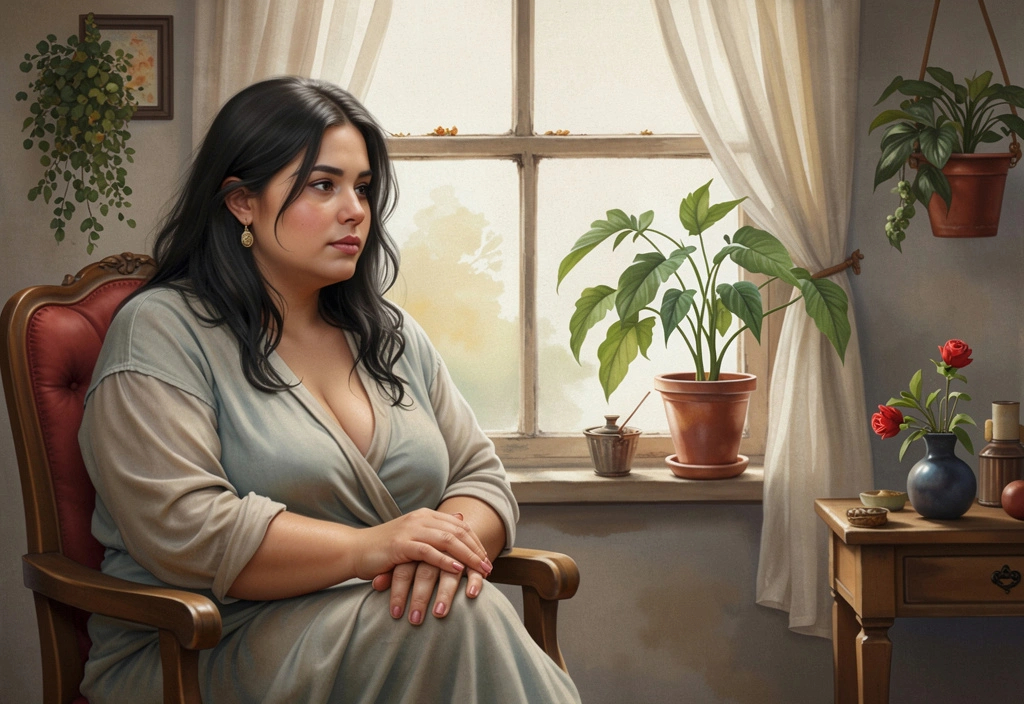
Agoraphobia, Shame, and the Invisible Work of Surviving a Life That Felt Unlivable
There’s a particular assumption people make when they hear that someone stayed home for years. They imagine laziness. Giving up. A refusal to participate. A life paused, wasted, or not really lived at all. And for a long time, I believed that story too — not just about how others might see me, but about who I was while it was happening.
But the truth is more complicated than that.
Staying home didn’t happen because I didn’t care about life. It happened because life had taught me, over and over again, that showing up came with a cost I could no longer afford. I didn’t disappear. I didn’t stop existing. I retreated — because retreat felt safer than being constantly judged, rejected, or harmed. And if you’ve ever done the same, this story is for you.
“I didn’t stay home because I didn’t care about life.
I stayed home because caring had cost me too much for too long.”
When Staying Home Looks Like Giving Up
From the outside, it probably looked like I had opted out of life. And in some ways, I had. I stopped trying to work. I stopped trying to push myself into a world that had never felt particularly kind or welcoming. I stayed home because home was the one place where I didn’t have to perform, explain myself, or brace for impact.
The hard part is that I believed the worst assumptions too. I believed I was lazy. I believed I’d given up. I believed that if I were stronger or better or more capable, I would be out there “doing life” like everyone else. Shame has a way of convincing you that the thing you did to survive is actually proof of your failure.
Staying home felt safe because it removed me from constant judgment. I wasn’t being watched. I wasn’t being measured. I wasn’t being compared. I could just exist — and at the time, that was all I wanted. Not success. Not growth. Not achievement. Just the ability to exist without being hurt.
Context, Without the Diagnosis
I’ve written before about living with agoraphobia and how I got there. This isn’t that story. This isn’t about symptoms or labels or timelines. This is about what it felt like to live in that space.
Staying home didn’t feel like a choice. It felt like a necessity. I had been bullied at work. I had spent my life trying — at school, in jobs, in relationships — and every attempt seemed to end the same way: hurt, humiliation, or rejection. By the time I stopped going out, I was exhausted from effort that never paid off.
At that point in my life, we had money. I didn’t need to work to survive. And that made retreat possible. But it didn’t make it easy. It simply meant that the world stopped demanding things from me — and I stopped believing I had anything worth offering it.

The Quiet Judgment No One Says Out Loud
What made staying home harder wasn’t always direct cruelty. It was the silence. The assumptions. The sense that people were talking about me without ever asking me anything. That I was being evaluated without being seen.
I wasn’t close to my father at the time — there’s a long history of abuse there — and I had already reached a point where I couldn’t keep subjecting myself to that dynamic. I was married, and while my husband’s family were never openly cruel, I knew the judgment existed. There was one overt incident that confirmed it, but mostly it lived in the unsaid things: the expectations, the comments about contribution, the weight of not earning money.
Being a “non-contributing partner” financially carries a particular kind of shame, especially when you’ve struggled to find stable work your entire life. I’ve always been good at what I do when I’m allowed to do it. But opportunity has never come easily to me — because of how I look, because of my interrupted education, because of a lifetime of being underestimated.
Eventually, I couldn’t tell where the judgment was coming from anymore. Was it external, or had it fully moved inside me? When shame becomes constant, it stops needing an audience.
Living Inside Online Worlds
My days were filled almost entirely by online worlds. Puzzle Pirates. Second Life. World of Warcraft. These weren’t just games — they were spaces where my body didn’t matter, where I wasn’t immediately reduced to how I looked, where I could build identities without exposure.
My inner world did expand. I made connections. I found people who understood me, at least partially. But there was always a boundary I couldn’t cross. Voice chat felt confronting. Sharing photos felt impossible. The moment someone wanted a real-world connection, the safety collapsed.
I was deeply ashamed of who I was. That shame didn’t disappear just because the internet gave me distance. And when relationships started asking for more than I could give, they often ended. Not because I didn’t care — but because being seen felt dangerous.
Even now, when I do share myself publicly, that fear hasn’t vanished. It’s just something I live with.
“You can disappear from the outside
while fighting relentlessly on the inside
and no one will ever see the work it takes.”
The Invisible Exhaustion No One Believes
One of the hardest parts of that life was the exhaustion — and the need to justify it. I felt like I constantly had to explain why I was tired when, to everyone else, I “did nothing all day.”
The truth was that my depression was severe. There were many times when I didn’t want to be alive at all. Distraction helped. Games helped. Focus helped. But the moment those fell away, everything rushed back in. Holding that at bay took more energy than any job I’ve ever had.
The exhaustion showed up physically. Pain. Stiffness. A body that carried stress it didn’t know how to release. Food became the most reliable comfort — the one thing that could make me feel okay, even briefly. And so my weight stayed out of control, not because I didn’t care, but because caring hurt too much.
Daily Life at Bare Minimum
Most days, I barely took care of myself. I didn’t eat breakfast or lunch. I didn’t drink enough water. I didn’t brush my hair for months at a time. Showering every other day felt like an achievement — even if I didn’t recognise it as one.
I spent the day waiting for my husband to come home. Dinner was the anchor. The reward. The end of the day. We would eat large meals, snacks, desserts — whatever helped numb the emptiness for a few hours.
I never felt like I had wins. Ever. There are no moments I look back on with pride or accomplishment. It was all about getting through the day. Hour to hour. That kind of survival doesn’t come with language, recognition, or meaning. It just feels like wasting time until it’s over.

Identity, Body, and Being Erased
I don’t feel like I lost my identity during those years. I don’t think I ever really had one to begin with. I had been morbidly obese for most of my life, and that became the only identity the world seemed willing to give me.
Being fat was both a comfort and a horror. It made me feel safer from sexual harm — and in that sense, it worked. But it also meant being mocked, dismissed, overlooked, or treated as less than human. I learned to make myself small while taking up space. To hide like an elephant behind a lamppost.
This wasn’t just one season of my life. Even before I stopped leaving the house, I was always hiding. Always shrinking. The agoraphobia years didn’t silence me — they simply made invisible what was already quiet.
Looking Back Without Romanticising It
When I look back now, I don’t see strength. I see someone who gave up — because they genuinely believed nothing would ever change. I didn’t think I’d lose weight. I didn’t think I’d ever have a job. I didn’t think I’d have children. Life, as society defines it, felt pointless and unattainable.
I still carry the damage from that time. I still feel judged — by myself, by strangers, by people online, by anyone who sees me. I still feel like I have to perform to be accepted. That weight didn’t disappear when my circumstances changed.
I’m not writing this from a place of resolution. I’m writing it from inside the work of trying — again — knowing how much trying has hurt before.
“Staying home wasn’t giving up on life,
it was stepping away from a world that
kept demanding more than I had left.”
Why Judgment Makes Everything Worse
If you’re someone who stayed home and feels ashamed, I want you to hear this clearly: people do not retreat from the world for no reason. No one wakes up in a life that feels supportive, meaningful, and safe and decides to disappear.
And if you’re someone looking at a family member, coworker, parent at playgroup, or friend who seems withdrawn — judgment is the last thing they need. You don’t know their history. You don’t know their pain. And you don’t know the voice they already live with inside their head.
Judging someone who is already brutally judging themselves doesn’t motivate change. It pushes them closer to the edge.
Kindness doesn’t require understanding everything. Curiosity doesn’t require fixing anything. Sometimes the most powerful thing you can offer is simply the absence of judgment.
Living Forward, Even While It’s Hard
Now, I’m trying to live with purpose — not just for my daughter, Ruby, though she deserves a mum who is present and loving and trying. I’m also trying to find purpose for myself, something I never learned how to do.
That purpose doesn’t look like a nine-to-five job. It looks like telling the truth about my life, publicly, in the hope that someone else feels less alone. It looks like using pain for something other than self-destruction. It looks like trying to make meaning where there once was none.
I still struggle. Everything still feels heavy much of the time. Hope comes in brief glimpses, not grand revelations. But for now, I’m holding onto those glimpses and moving forward anyway — not because it’s easy, but because it matters.
And if this story reaches someone who needed it, then staying alive long enough to tell it will have meant something after all.




Leave a Reply